Minimal Interiors For Real Life (Not Social Media)
Minimalism has become one of the most visually curated trends online. Clean white walls, untouched countertops, and the kind of serenity that feels more like a photoshoot than real life. But true minimalism isn’t about owning two coffee mugs or living in a perfectly styled home. It’s about creating space (mentally, emotionally, and physically) for what actually matters. Real-life minimalism is less about appearances and more about the wellness, self-care, and mindfulness that come from living with intention.
In fact, minimalism for real people is messy, evolving, and deeply personal. It’s not about achieving aesthetic perfection but about cultivating a mindset that prioritises calm and clarity over clutter and comparison.
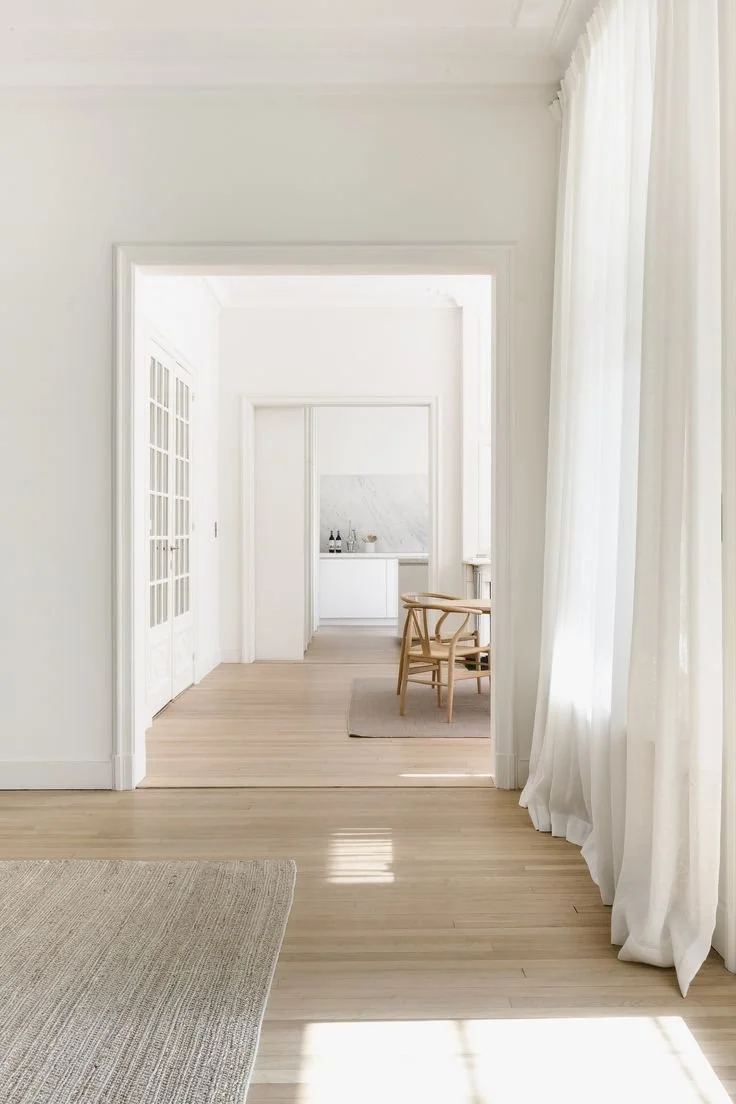
Minimalism Is About Mindset, Not Aesthetic
Many people associate minimalism with a specific look: neutral tones, empty rooms, and perfectly folded linen. But real minimalism begins far before decor. It starts in your mind, with the decision to evaluate what adds value to your life and what drains it.
This approach is less about getting rid of things and more about tuning in to what you truly want. It invites mindfulness into everyday habits. You might ask yourself:
Does this item support my daily life or stress me out?
Do I own this because I love it, or because I feel I should?
Is this adding calm or chaos to my space and routine?
When you approach minimalism as a mindset, rather than a design trend, everything becomes lighter—your home, your schedule, and your mind.
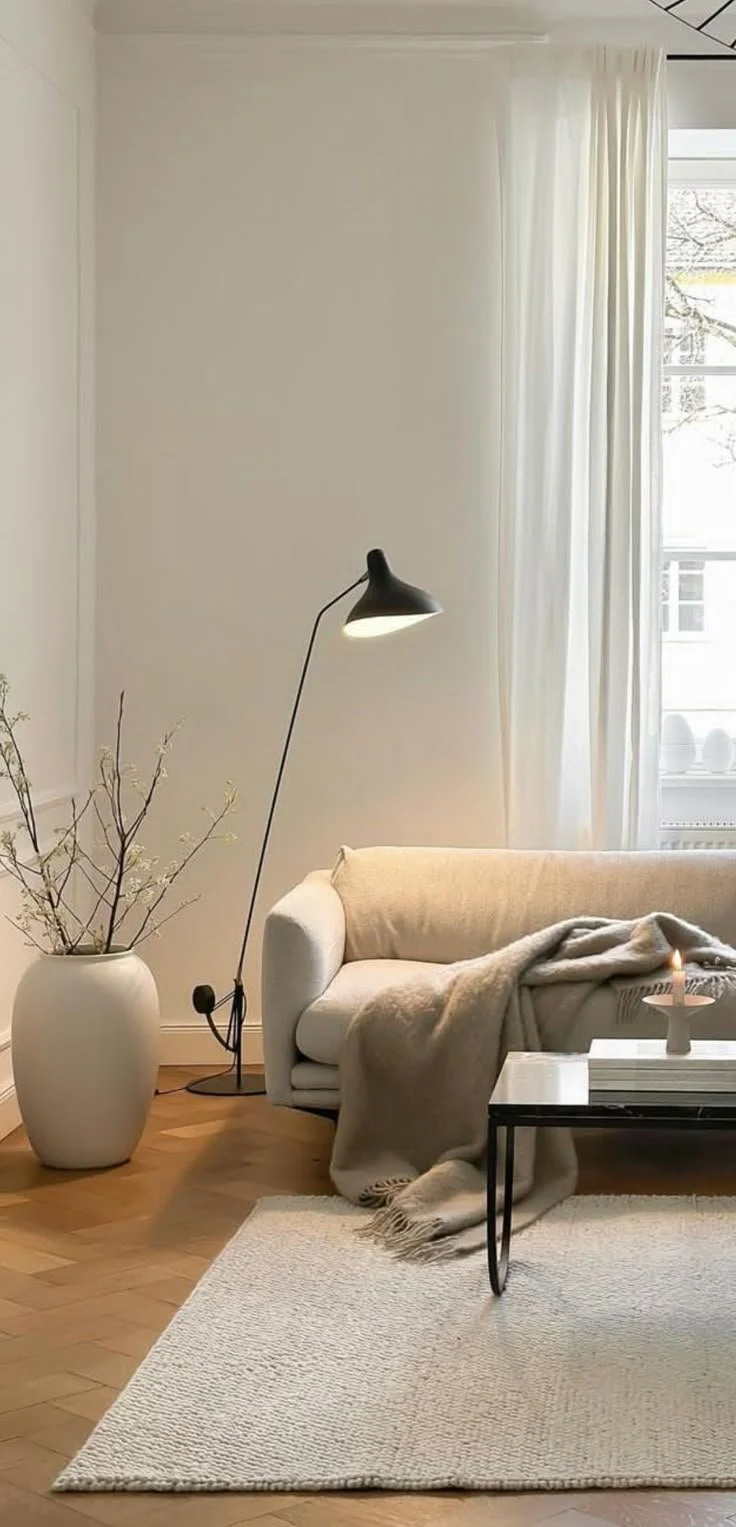
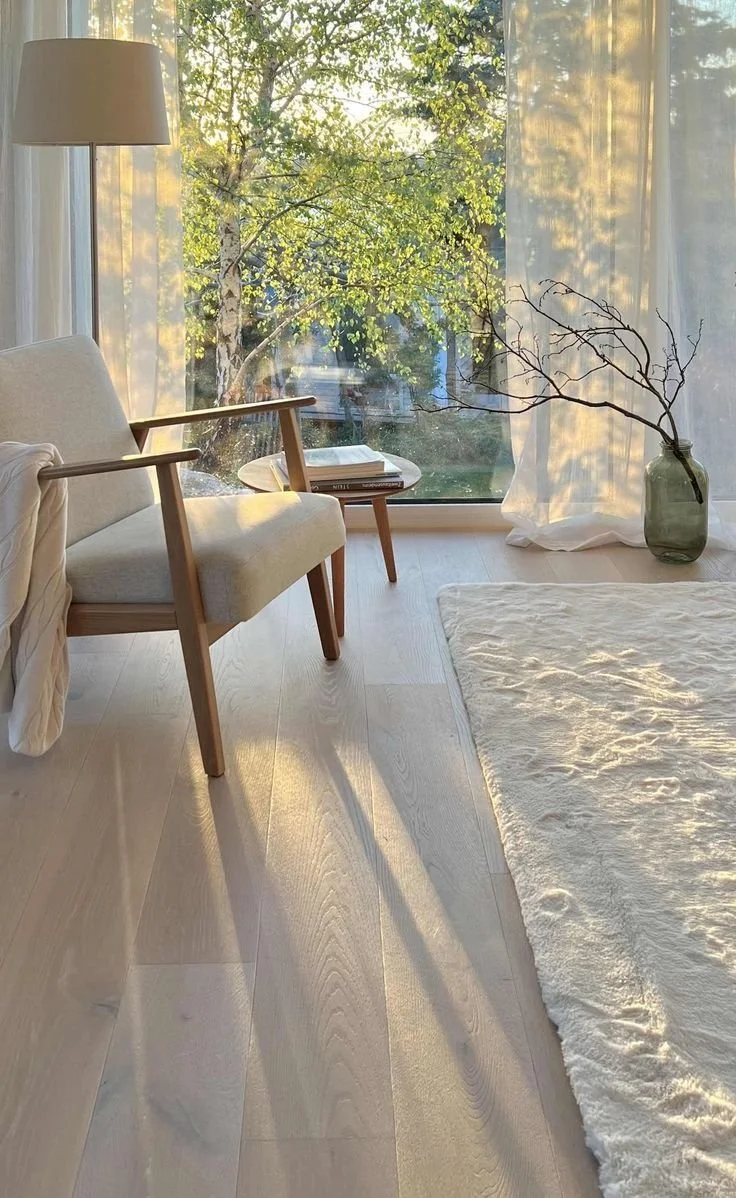
Why Minimalism Supports Wellness and Self-Care
Minimalism isn’t just about your environment, it’s a form of self-care. When you remove unnecessary noise, decisions, and possessions, you create room for mental clarity and emotional well-being.
Here’s how real-life minimalism can support your wellness:
1. It reduces decision fatigue
Clutter and excess create micro-stress. Every item you own asks for attention: to be cleaned, stored, maintained, or remembered. Fewer items means fewer mental to-dos, giving you more space for energy, creativity, and rest.
2. It promotes calm through intentional choices
A minimalist lifestyle makes room for slow mornings, unhurried meals, and quieter evenings. When your environment feels organised and intentional, your mind reflects that calm.
3. It strengthens your mindfulness muscles
Every decision—what to keep, what to donate, what to avoid purchasing—becomes an opportunity to practice mindfulness. Rather than living on autopilot, you actively choose what aligns with your values.
4. It supports emotional decluttering
Minimalism encourages you to let go of old beliefs, unrealistic expectations, or outdated versions of yourself. It’s not just things that weigh us down; emotional clutter is just as heavy.
Minimalism for Real People (Who Live Real Lives)
Your home does not need to look like an Instagram grid to be peaceful. Real-life minimalism has toys on the floor, mail on the counter, and a shoe pile by the door, because life is happening there.
Here’s what minimalism looks like in everyday households:
• Flexible, not rigid
Some weeks you’ll be organised, and others you won’t. The goal isn’t perfection. But it’s awareness and intention.
• Personal, not performative
Your minimalism doesn’t need to look like anyone else’s. Maybe you prefer cosy spaces, color, or collections. Minimalism can support that; it doesn’t forbid it.
• Sustainable, not extreme
Getting rid of everything overnight is rarely sustainable. Slow, mindful adjustments are far more supportive of long-term wellness.
• Functional, not aesthetic-driven
Minimalism isn’t about sparse rooms; it’s about removing what gets in the way of how you want to live.
Small Ways to Start Today
Minimalism becomes far easier when you start small. Try one of these gentle entry points:
1. Clear one surface
Choose your nightstand, kitchen counter, or coffee table. Remove everything, then add back only what you use or love.
2. Try a “mindful pause” before buying
Before purchasing something new, pause and ask: Will this support my calm or add more noise to my life? This simple mindset shift can transform your habits.
3. Create a five-minute evening reset
Set a timer for five minutes and put a few things back where they belong. A little order goes a long way toward mental clarity.
4. Simplify one routine
Maybe it’s your morning skincare, your inbox, or your to-do list. Streamlining everyday rituals brings wellness into your daily flow.
Minimalism as a Path Back to Yourself
Real-life minimalism isn’t about stripping your world bare; it’s about choosing what fills your world with meaning. It’s a practice of self-care, mindfulness, wellness, and calm. It helps you focus on what matters most, not what photographs well.
When you declutter your home and habits, you create space to meet yourself again. And that kind of minimalism is far more powerful than anything you’ll see on Instagram.

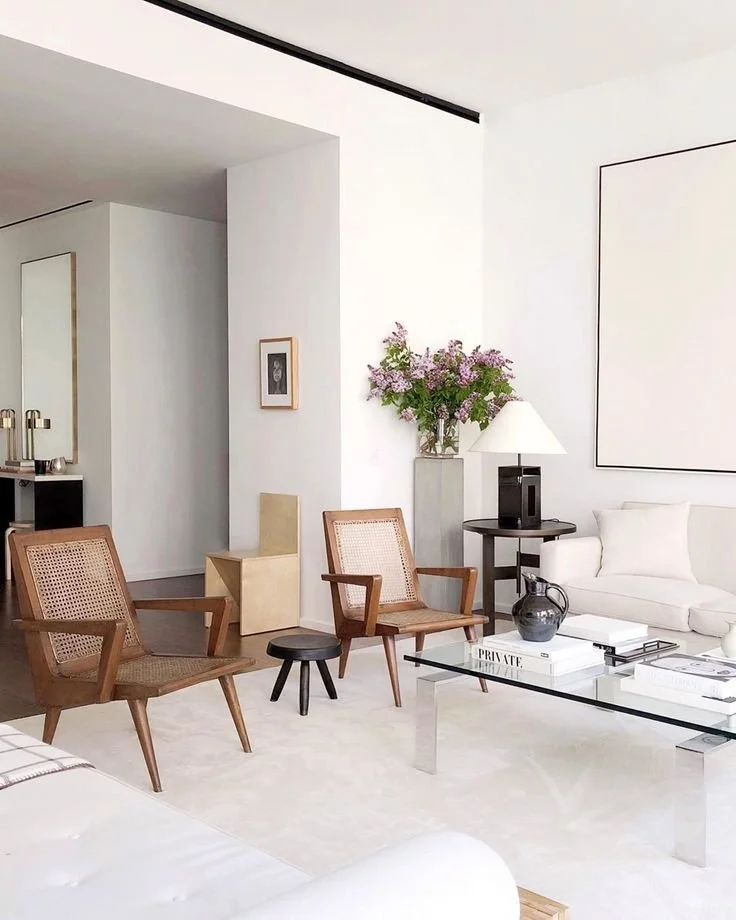
Minimalism has become one of the most visually curated trends online. Clean white walls, untouched countertops, and the kind of serenity that feels more like a photoshoot than real life. But true minimalism isn’t about owning two coffee mugs or living in a perfectly styled home. It’s about creating space (mentally, emotionally, and physically) for what actually matters.