The Wellness Trap: Why Self-Care Is Making You More Exhausted
Wake up at 5am.
Journal.
Meditate.
Take your supplements.
Do a workout.
Drink a green smoothie.
Listen to a podcast.
Practice gratitude.
Track your water intake.
Go for a walk.
Take a cold shower.
Read ten pages of a personal development book.
Use a sleep tracker.
Follow your skincare routine.
Stretch before bed.
Sound familiar?
If so, you're not alone.
Many of us have embraced wellness in the hope that it will help us feel healthier, happier, and less stressed. Yet for a surprising number of people, the opposite seems to be happening.
We're exhausted.
Overwhelmed.
Constantly feeling as though we're falling behind.
And the strangest part?
We're feeling burnt out while actively trying not to be.
If you've ever looked at your carefully curated self-care routine and wondered why you're still tired, there may be a simple explanation.
You've turned wellness into another job.
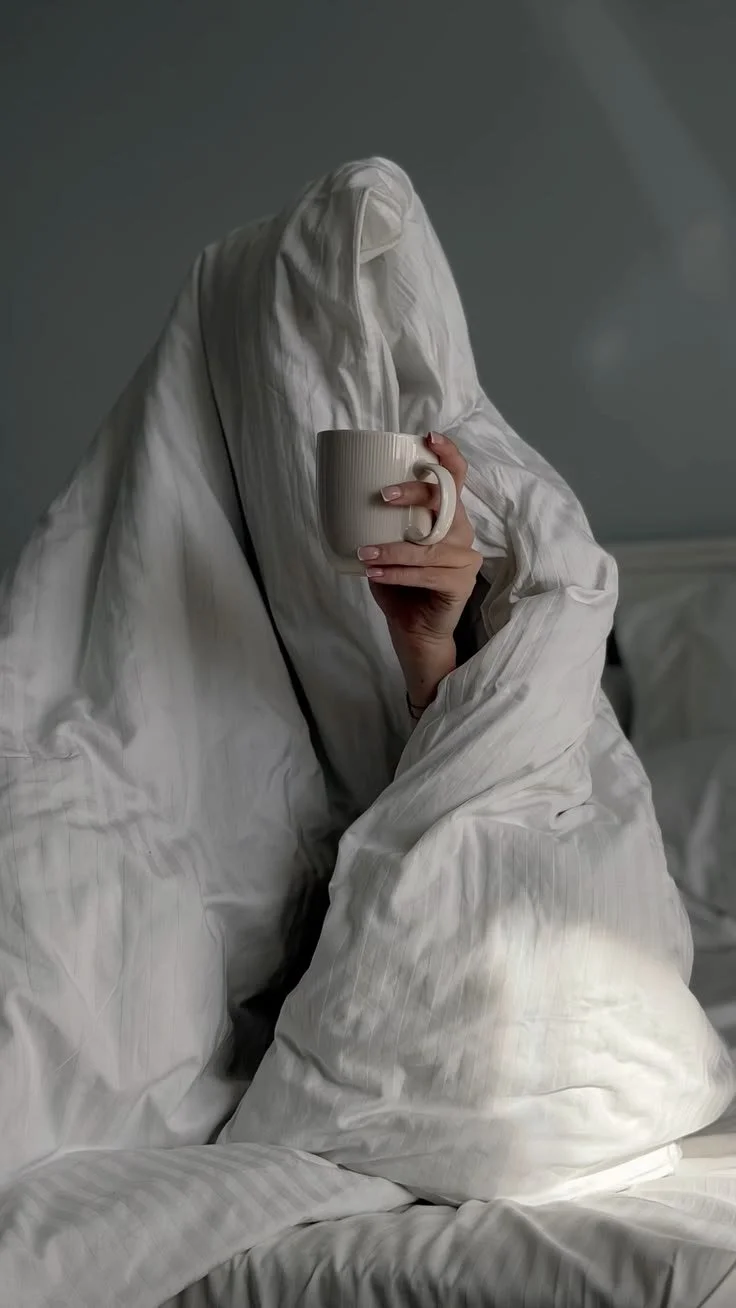
When Self-Care Becomes Another To-Do List
At its heart, wellness is supposed to support our well-being.
It's meant to help us feel more balanced, more energised, and more connected to ourselves.
But somewhere along the way, wellness became complicated.
What was once a simple walk outdoors has become a fitness tracker goal.
What was once reading a book before bed has become an evening optimisation routine.
What was once making a healthy meal has become calculating macros, protein targets, gut health scores, and supplement schedules.
Many of us are no longer using wellness practices to reduce stress.
We're using them to perform wellness.
And performance is exhausting.
The irony is that the very habits designed to help us feel better can sometimes become another source of pressure.
Instead of asking, "What do I need today?" we ask, "What haven't I ticked off yet?"
The Problem With the Perfect Morning Routine
Social media has convinced many of us that successful, healthy people follow highly structured routines.
The ideal morning often looks something like this:
Meditation.
Journaling.
Exercise.
Affirmations.
Reading.
Cold plunges.
Supplements.
Hydration.
Protein-rich breakfast.
And all before 8am.
While there is nothing inherently wrong with any of these habits, problems arise when we believe we must do all of them every day.
Life isn't lived in perfect conditions.
Some mornings, you've been awake half the night with a child.
Some mornings you're grieving.
Some mornings you're simply tired.
Yet many people continue forcing themselves through routines that no longer serve them because they believe more wellness equals better wellbeing.
Often, it doesn't.
Sometimes it simply creates another standard we're struggling to meet.
The Wellness Industry Loves More
More products.
More habits.
More tracking.
More optimisation.
More routines.
More goals.
The message is often subtle but powerful:
If you're still feeling stressed, you probably need another solution.
Another app.
Another supplement.
Another morning ritual.
Another habit stack.
But what if the answer isn't adding more?
What if it's removing some of it?
Modern wellness culture often assumes that well-being comes from doing.
Mindfulness teaches us that well-being can also come from being.

We Didn't Always Live Like This
It's worth remembering that many of the wellness routines we now consider essential are incredibly modern.
One hundred years ago, people weren't following thirty-step skincare routines.
They weren't tracking sleep scores.
They weren't measuring protein intake on apps.
They weren't listening to productivity podcasts while practising gratitude exercises and counting steps before breakfast.
Yet people still experienced joy.
They are still connected with nature.
They still found purpose, community, and moments of peace.
This isn't to suggest that modern wellness tools are bad.
Many can be genuinely helpful.
But it does raise an important question:
At what point does improving your life become micromanaging it?
Sometimes the constant pursuit of optimisation leaves us feeling less present, not more.
The Burnout of Constant Self-Improvement
One of the hidden causes of burnout is the belief that we should always be improving ourselves.
There is always another book to read.
Another habit to adopt.
Another routine to perfect.
Another area of life to optimise.
Eventually, self-improvement becomes self-surveillance.
We monitor everything.
Our sleep.
Our steps.
Our food.
Our productivity.
Our moods.
Our screen time.
And while awareness can be helpful, constant monitoring can become exhausting.
When every part of life becomes a project, it becomes difficult to simply exist.
SHOP OUR PRODUCTS


Why Simpler Routines Often Work Better
The routines that tend to last aren't usually the most impressive.
They're the simplest.
A short walk after dinner.
Drinking more water.
Going to bed at a reasonable time.
Reading for ten minutes before sleep.
Spending time outdoors.
Cooking simple meals.
Connecting with people you love.
These habits may not look exciting on social media.
But they often support well-being far more effectively than complicated routines that require constant effort and discipline.
The truth is that consistency beats complexity.
A simple routine you enjoy is far more beneficial than a perfect routine you secretly resent.
Wellness Should Create Space, Not Pressure
One of the most helpful questions I've started asking myself is this:
"Is this helping me feel better, or is it giving me something else to manage?"
It's a surprisingly powerful distinction.
Because wellness should support your life.
It shouldn't become your life.
A healthy routine should leave room for spontaneity, rest, flexibility, and enjoyment.
It should adapt to your season of life rather than demanding perfection regardless of circumstances.
Some days, mindfulness might look like meditation.
Other days, it might look like sitting quietly with a cup of tea.
Both count.
Maybe You Don't Need More
If you're feeling burnt out despite doing all the right things, perhaps the answer isn't another wellness habit.
Perhaps it's permission.
Permission to simplify.
Permission to skip the routine occasionally.
Permission to stop tracking everything.
Permission to rest without earning it.
Permission to trust that your well-being doesn't depend on completing an endless checklist.
Because sometimes the healthiest thing you can do is stop trying so hard to be healthy.
After all, true wellness isn't about perfect routines.
It's about creating a life that feels sustainable, nourishing, and genuinely enjoyable.
And sometimes, less really is more.
Your Path to Inner Peace
Transform your daily routine with our Self-Care Journal Sheet, designed to help you focus on nurturing your mind, body, and spirit. This printable and digitally downloadable sheet offers a simple yet powerful framework for reflection, mindfulness, and personal growth.