The Simple Habit That Can Transform Your Mind: Why Lists Are the Secret to a Calmer, More Organised Life
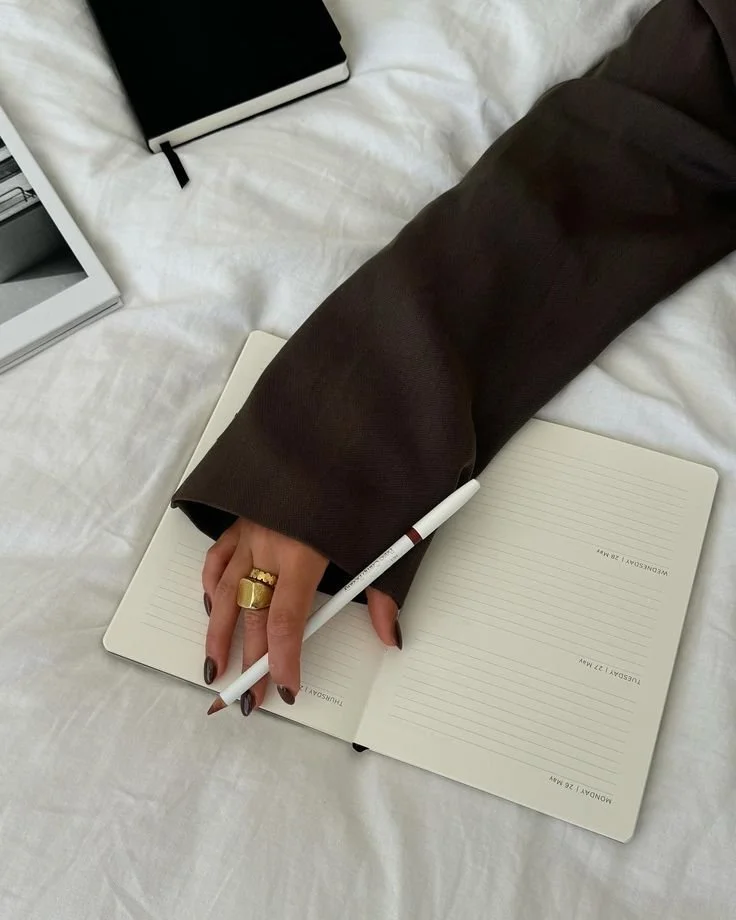
There was a time when I believed that keeping everything in my head made me more organised.
I thought that if I could remember the shopping, the appointments, the birthdays, the emails, the household jobs and everything else life threw at me, then I was somehow on top of things.
The reality?
I wasn't organised.
I was overwhelmed.
My mind became a storage space for endless reminders, unfinished tasks and mental notes that I was terrified of forgetting. Instead of being present, I was constantly thinking about what I needed to do next.
Sound familiar?
If so, you may not need another productivity app or complicated planning system. Sometimes, the simplest solution is also the most effective.
A pen.
A piece of paper.
And a list.
Why We Weren't Meant to Remember Everything
Modern life asks a lot of our brains.
We're expected to remember work deadlines, children's activities, family birthdays, meal plans, shopping, appointments, passwords, bills, school events, household chores and countless other responsibilities.
No wonder so many of us feel mentally exhausted.
Our brains are incredible at solving problems, being creative and making decisions.
They aren't designed to act as endless storage devices.
Every task you're trying to remember takes up mental space, even when you're not consciously thinking about it.
That's why you might suddenly remember you need to buy washing powder while you're trying to fall asleep.
Or remember an email you forgot to send while you're watching television.
Your brain is constantly trying to keep track of everything.
Writing things down gives permission to let go.
Lists Create Mental Space
One of the biggest misconceptions about lists is that they're simply about getting more done.
For me, they're about something entirely different.
Peace of mind.
The moment I write something down, it stops circling endlessly in my thoughts.
I know I won't forget it.
I don't need to keep mentally repeating it.
My brain can finally relax.
That doesn't just make me more organised.
It helps me become more present.
When my mind isn't occupied with remembering everything, I have more space to notice what's happening around me.
I can enjoy conversations without mentally writing shopping lists.
I can play with my son without wondering if I've remembered to book the dentist.
I can actually be where my feet are.
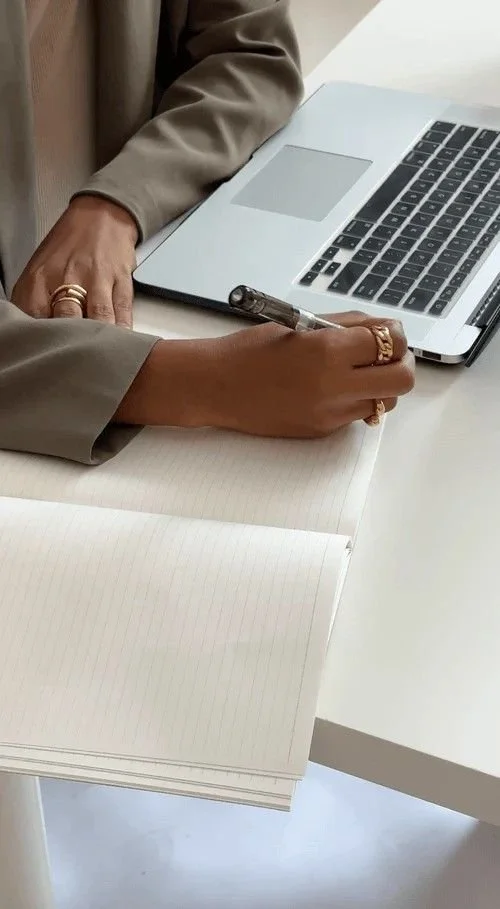
The Shopping List That Saves More Than Time
One of the simplest lists I use every week is a shopping list.
It sounds obvious, but there's something surprisingly mindful about planning meals before stepping into the supermarket.
Without a list, it's easy to wander the aisles, buy things you don't need and forget the items you do.
The result is often wasted food, unnecessary spending and another trip back to the shop.
Now, I keep a dedicated shopping list in the kitchen, adding items as soon as we run out. It means I'm not relying on memory, and grocery shopping becomes quicker, calmer and far less stressful.
Instead of treating it as another chore, I've started to see it as a small act of self-care. Spending just a few minutes writing a shopping list can save hours of frustration later in the week.
Why a To-Do List Doesn't Have to Feel Overwhelming
We've all written impossibly long to-do lists.
The kind that somehow gets longer throughout the day instead of shorter.
I've learned that the problem isn't the list itself.
It's how we use it.
Instead of writing down twenty jobs and expecting myself to complete them all, I now focus on the tasks that genuinely matter.
Sometimes my to-do list has only three items.
And that's enough.
Crossing off a realistic list feels far more satisfying than endlessly carrying unfinished tasks into tomorrow.
Organisation isn't about doing more.
It's about knowing what matters most.
Daily Planning Without the Pressure
Social media often tells us we need elaborate morning routines, colour-coded planners and perfectly scheduled days.
For many of us, that simply isn't realistic.
Life changes.
Children get ill.
Meetings overrun.
Unexpected things happen.
That's why I prefer a simple daily planner.
Each morning, I spend a few quiet minutes writing down my appointments, the most important tasks and anything I don't want to forget.
It gives my day direction without making me feel trapped by a rigid schedule.
Some days, everything gets ticked off.
Other days it doesn't.
And that's okay.
Planning isn't about perfection.
It's about creating clarity.
The Power of Weekly Priorities
One habit that has transformed the way I approach life is choosing weekly priorities instead of trying to do everything at once.
At the beginning of each week, I ask myself:
"What would make this week feel successful?"
Perhaps it's organising one cupboard.
Booking an appointment I've been putting off.
Preparing healthy meals.
Spending more quality time with my family.
Focusing on just a few priorities helps me avoid the constant feeling that I'm behind.
It reminds me that progress isn't measured by how busy I am, but by whether I'm spending my time on what truly matters.
Organisation Is a Form of Mindfulness
People often think organisation and mindfulness are completely different things.
I think they're deeply connected.
Organisation isn't about having a perfectly tidy home or a colour-coded diary.
It's about creating enough structure that your mind can rest.
Every time we write something down instead of carrying it mentally, we're giving ourselves permission to be present.
Every list becomes an act of kindness towards our future selves.
Rather than filling our minds with endless reminders, we create space for creativity, connection and calm.
Simple Tools Can Make the Biggest Difference

You don't need expensive planners or complicated productivity systems to become more organised.
Sometimes, a few thoughtfully designed pages are all you need to simplify your week.
Whether it's keeping a shopping list on the kitchen counter, writing a realistic to-do list each morning, planning your day with intention, or identifying your weekly priorities, these small habits can make everyday life feel lighter and more manageable.
I've found that having dedicated pages for each of these tasks helps me stay organised without overcomplicating things. Instead of juggling scraps of paper or trying to remember everything, I have one simple place to keep track of what matters most. If you're looking for an easy way to bring more structure and calm into your routine, printable planning pages can be a gentle place to start. They include a Shopping List, To Do List, Daily Planner, and Weekly Priorities page: everything you need to organise your week with intention.
A Final Thought
We often believe that becoming organised means doing more.
I think it means carrying less.
Less mental clutter.
Less worry about forgetting things.
Less time spent feeling overwhelmed.
Lists won't solve every problem, but they can give your mind somewhere safe to place the things it no longer needs to carry.
And when your mind is a little quieter, you'll often find it's much easier to notice the moments that really matter.
Because organisation isn't just about getting things done.
It's about creating space to truly live.